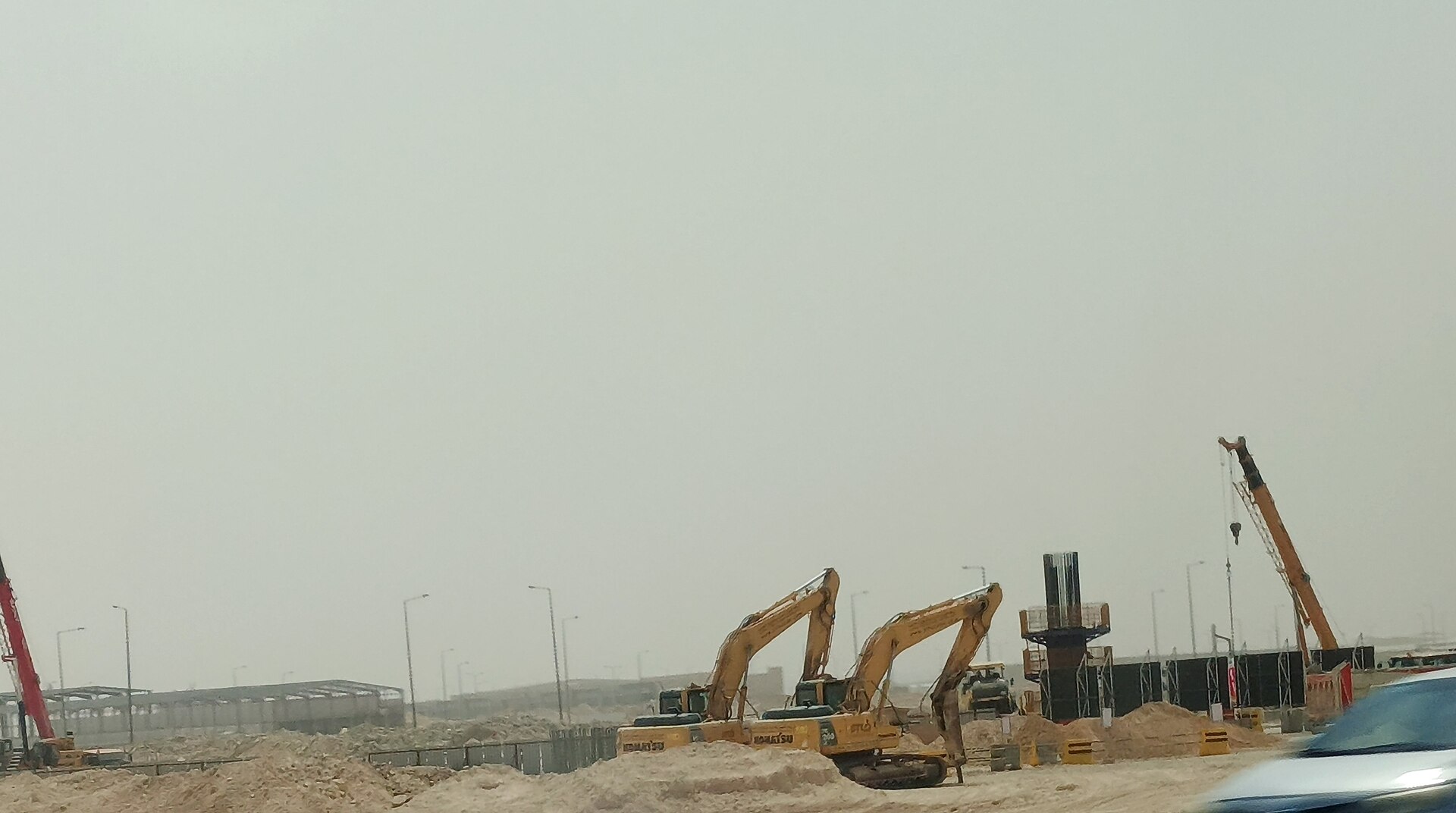
Crane rental in the Kingdom is rarely a simple equipment transaction. On a Vision 2030 site, the crane arrives inside a package: certified operators, an engineered lift plan, transport and route permits, ground-bearing checks and documentation your HSE team can sign off. That package is what we mean by fully operated rental.
1. Define the lift before you define the crane
Four numbers decide almost everything: load weight, lift radius, hook height and duration. Send those and we can shortlist machines the same day. Without them, any quote is guesswork — and guesswork on site means a crane that cannot reach, or a machine twice the size you are paying for.
- Load weight, including rigging, spreader beams and slings
- Working radius from crane centre to load centre
- Required hook height and any obstruction above the lift
- Site access, ground conditions and available set-up footprint
- Number of lifts and total duration on site
2. Crane class selection
Rough terrain and truck-mounted cranes (30T–130T) suit routine site lifts and confined urban work. All-terrain cranes (120T–500T) travel highway speeds and rig fast, making them the workhorse of construction and industrial build-outs across the Kingdom. Crawler and lattice-boom cranes (250T–800T) are for refinery vessels, bridge girders, power-plant modules and tandem heavy lifts.
3. Lift planning and approvals
Our engineering team produces load charts, configuration drawings, outrigger and mat loadings, and a method statement referencing ISO 45001 practice. That pack is what unlocks your permit-to-lift and keeps main-contractor HSE reviews short.
4. Mobilization
Standard mobilization inside the Kingdom is 48–96 hours depending on crane size and route permits. Large crawlers travel in multiple loads and need assembly time and an assist crane — plan those days into the programme rather than the lift day itself.
The cheapest crane on paper is the one that shows up correct on the first attempt. Everything else is rework.
5. On site, and off again
Daily inspections, toolbox talks, load-test certification and operator competency records travel with the machine. At the end of the scope we demobilize on an agreed date, so a finished lift does not sit as standing time on your cost report.